Nigeria offers high-growth investment opportunities across energy, infrastructure, logistics, manufacturing, and agriculture, but it also presents a complex risk landscape. Political volatility, regulatory uncertainty, security threats, and operational challenges require risk-aware strategies and professional market entry services. Our teams provide ground truth verification, regulatory insight, partner due diligence, and strategic advisory, enabling investors to navigate
Market Entry
Expanding into Nigeria in 2026 requires more than capital—it demands comprehensive market entry intelligence, ground truth verification, and strategic local insight. As Africa’s largest economy with over 220 million people, a rapidly growing consumer base, and abundant natural resources, Nigeria presents high-growth opportunities in energy, infrastructure, agriculture, telecommunications, logistics, and manufacturing sectors. However, operational complexity,
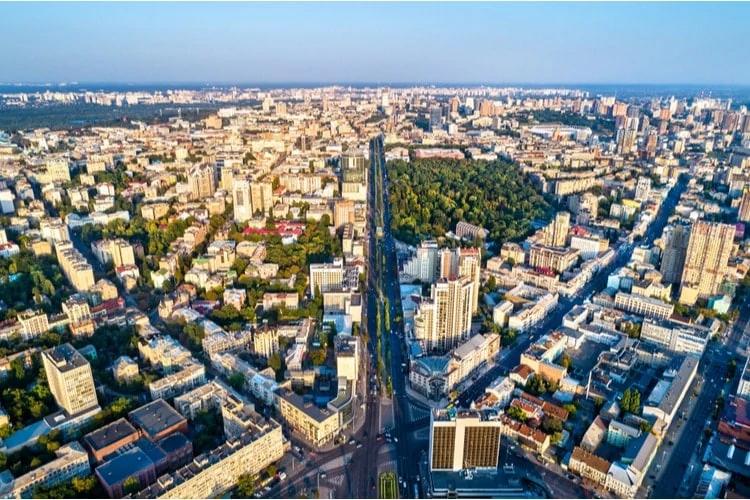
Expanding into Ukraine requires accurate ground-level insight, trusted partnerships, and effective leadership engagement across Kyiv, Lviv, Odesa, Dnipro, Zaporizhzhia, Kharkiv, and Chernihiv. Our teams provide comprehensive ground truth verification, local partner due diligence, and strategic stakeholder mapping, enabling organisations to navigate reconstruction projects, technology initiatives, and manufacturing operations with confidence, compliance, and long-term strategic alignment.
Entering Ukraine’s complex and evolving business environment requires more than ambition—it demands comprehensive market entry intelligence, strategic planning, and real-time understanding of local dynamics. Our professional teams provide sector-specific insights, regulatory analysis, and ground truth verification across major Ukrainian cities including Kyiv, Lviv, Odesa, Dnipro, Zaporizhzhia, Kharkiv, and Chernihiv, enabling organisations to navigate high-growth opportunities
Entering Lebanon—a country with strategic location in the Eastern Mediterranean, a highly educated workforce, and a historically entrepreneurial economy—requires a nuanced, multi-layered approach. Political volatility, complex governance, regulatory variation, and economic fluctuations mean that market entry strategy, ground-truth intelligence, people networking, and leadership engagement are essential components of a successful plan. Whether your organisation operates
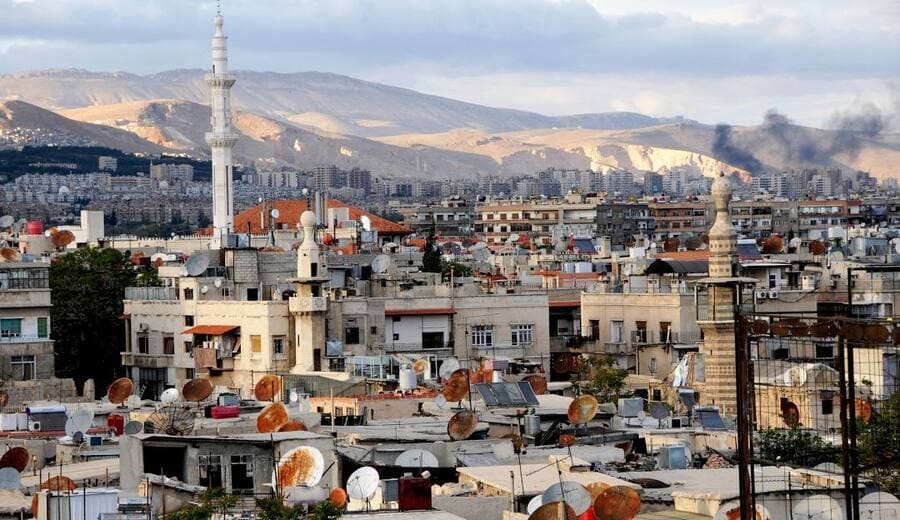
Entering Syria—a strategically located market undergoing reconstruction, economic stabilisation, and sectoral redevelopment—requires a highly informed, risk-aware, and locally adaptive approach. Despite ongoing political complexity, sanctions environments, and fragmented governance, the country offers significant opportunities for organisations prepared to operate with discipline and deep market intelligence. Whether your organisation works in construction, oil and gas services,
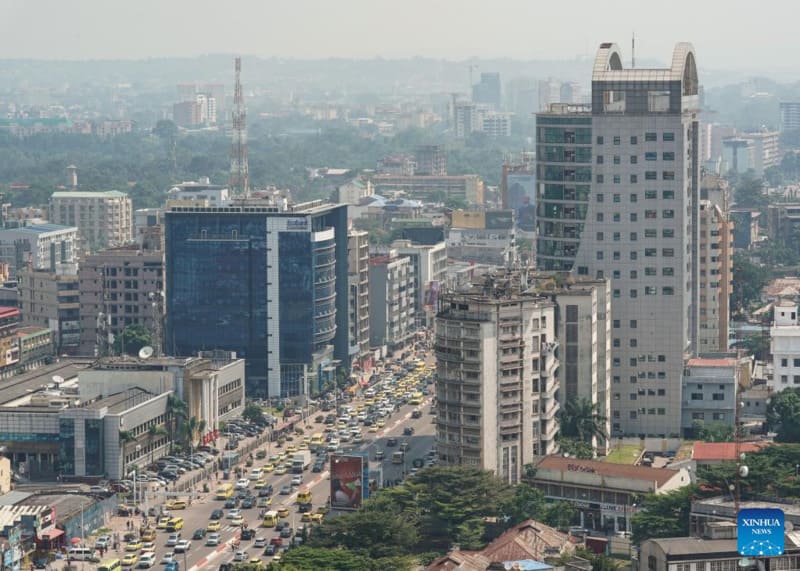
Entering the Democratic Republic of Congo (DRC)—one of Africa’s most resource-rich yet operationally complex markets—requires far more than capital and ambition. The country’s vast geography, political volatility, security conditions, and rapidly evolving regulatory landscape make it a destination where specialised market entry intelligence, local partnerships, and risk-aware strategy are essential from day one. Whether your
Entering Syria’s complex and high-risk market requires strategic insight, local intelligence, and operational precision. Political instability, security threats, and regulatory challenges make it crucial for businesses to rely on professional market entry intelligence services. Our expert teams provide risk assessment, due diligence, and actionable insights to help multinational corporations, high-net-worth investors, and NGOs operate safely
As Ukraine continues its complex recovery process, organisations entering the market must navigate a landscape defined by regional instability, infrastructure disruption, ongoing military activity, and localised security threats. While many areas—particularly in western and central Ukraine—show increasing signs of normalisation, frontline regions continue to experience sporadic strikes, movement restrictions, and logistical limitations that directly influence