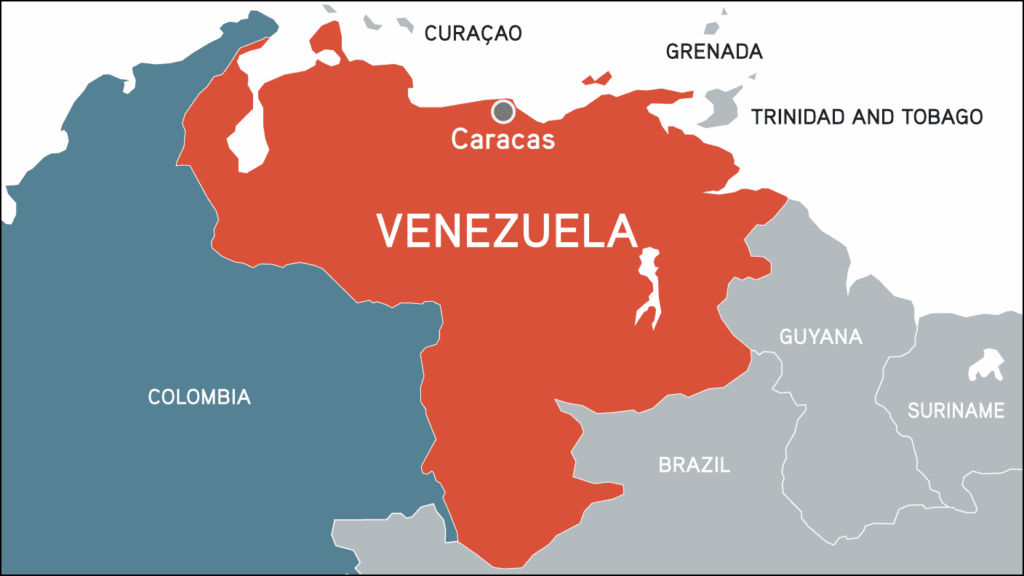
Client Profile
A corporate executive team required structured travel risk management and journey support while undertaking a programme of business travel within a challenging operating environment.
The itinerary involved multiple movements and required the team to travel between different locations while maintaining a demanding schedule of meetings and business activities.
The client wanted to ensure that security considerations were incorporated into its travel programme without creating unnecessary restrictions or disrupting normal business operations.
The identity of the client and specific operational details remain confidential.
The Requirement
Associated Risks was engaged to develop a journey management and travel advisory framework covering the team’s movements before and throughout the assignment.
The requirement included:
- Pre-travel security briefings
- Journey risk assessments
- Route planning
- Assessment of local travel conditions
- Identification of potential areas of exposure
- Travel and security advice
- Movement coordination
- Real-time journey monitoring
- Contingency planning
- Ongoing communication with the travelling team
- Coordination with transportation and other security resources
The client required a system that provided both advance preparation and ongoing operational support, rather than relying solely on information provided before departure.
Operational Challenges
The team’s itinerary involved several movements, making consistency and coordination particularly important.
Travel conditions could change during the course of the assignment, while traffic, road conditions, local incidents, delays or changes to the client’s schedule could affect previously planned movements.
The team was also operating in an unfamiliar environment, making local knowledge and timely security information important components of the journey-management process.
The challenge was therefore to maintain an accurate understanding of the travel environment while ensuring that the client’s movements remained practical and responsive to changes.
Our Solution
Associated Risks developed a journey-management programme based around the team’s itinerary, destinations and operational requirements.
Rather than treating each journey independently, the movements were considered as part of one continuous travel programme.
Key elements included:
Pre-Travel Risk Assessment:
The planned itinerary was reviewed before travel, with consideration given to the locations, movements, timing and potential security concerns relevant to the assignment.
Travel Advisory:
The team received practical security information relevant to their planned movements, helping personnel understand the local operating environment and make informed decisions while travelling.
Journey Risk Assessment:
Individual journeys were reviewed according to their destination, timing, route and circumstances, allowing appropriate measures to be incorporated before movement.
Route Planning:
Planned routes were assessed in advance, with alternative options considered where circumstances could affect the original journey plan.
Real-Time Monitoring:
The operational team maintained awareness of relevant developments that could affect planned movements, allowing travel arrangements to be reviewed when conditions changed.
Contingency Planning:
Alternative arrangements were considered for situations involving delays, disruption, changing travel conditions or unexpected changes to the client’s itinerary.
Operational Communication:
The travelling team remained connected with the relevant operational personnel throughout the assignment, providing a mechanism for updates and assistance when required.
Execution
Prior to the team’s arrival, the proposed itinerary was reviewed and the key movements identified.
Travel information and security considerations were incorporated into the journey plan, allowing the team to understand the requirements associated with each stage of the programme.
As the assignment progressed, the operational team monitored relevant conditions and maintained communication with the travelling personnel.
Where changes occurred, the journey-management plan could be adjusted accordingly.
This included reviewing planned movements, considering alternative arrangements and coordinating with transportation resources where necessary.
The approach provided the client with a central point of security coordination throughout the travel programme rather than requiring the team to manage each journey independently.
Real-Time Journey Support
A significant element of the assignment was maintaining situational awareness after the initial travel planning had been completed.
Conditions can change after a journey has been planned, and information that was accurate before departure may become less relevant later in the day.
The journey-management process therefore incorporated ongoing monitoring and communication.
Where circumstances changed, the operational team could reassess the planned movement and provide updated guidance or coordinate alternative arrangements.
This provided the travelling team with an additional layer of support throughout the assignment.
Itinerary Flexibility
Corporate travel schedules can change quickly.
Meetings may be extended, additional locations may be added or departure times may move, creating knock-on effects across the remainder of the itinerary.
The journey-management framework was designed to accommodate these changes.
Instead of treating the original itinerary as fixed, the operational team maintained sufficient flexibility to review and adjust the travel plan as the client’s requirements developed.
This allowed the team to maintain its business schedule while ensuring that security considerations remained incorporated into each movement.
Outcome
The journey-management programme provided the corporate executive team with structured security support throughout its travel programme.
The client benefited from advance risk assessment, practical travel advice, journey planning, ongoing monitoring and contingency arrangements designed around its specific itinerary.
By maintaining oversight before and during travel, Associated Risks helped provide the team with greater awareness of the operating environment while allowing its business activities to continue with minimal disruption.
The assignment demonstrated the value of treating travel security as an ongoing operational process rather than a one-time pre-travel assessment.
Services Delivered
- Journey Management
- Travel Risk Advisory
- Pre-Travel Security Briefings
- Journey Risk Assessments
- Route Planning
- Real-Time Travel Monitoring
- Movement Coordination
- Contingency Planning
- Secure Transportation Coordination
- Operational Communication
- Travel Security Support
Supporting Secure Corporate Travel
Associated Risks provides journey management and travel advisory services for corporate executives, international organisations, project teams, business travellers and private clients operating in complex environments.
Our journey-management solutions can be provided as a standalone service or integrated with secure transportation, executive protection, security risk management and other protective security capabilities.
Each programme is developed around the client’s itinerary, operating environment and specific requirements, with an emphasis on preparation, situational awareness, flexibility and continuous operational support.
Related Security Service
Associated Risks provides professional journey management, travel risk advisory and secure travel support for corporate executives, business travellers and organisations requiring structured security planning and operational assistance.
Learn more about our Journey Management & Travel Advisory Services in Caracas →